Caller Data Insights: 3329002148, 3329002157, 3330164289, 3335343233, 3335565567, 3362760758

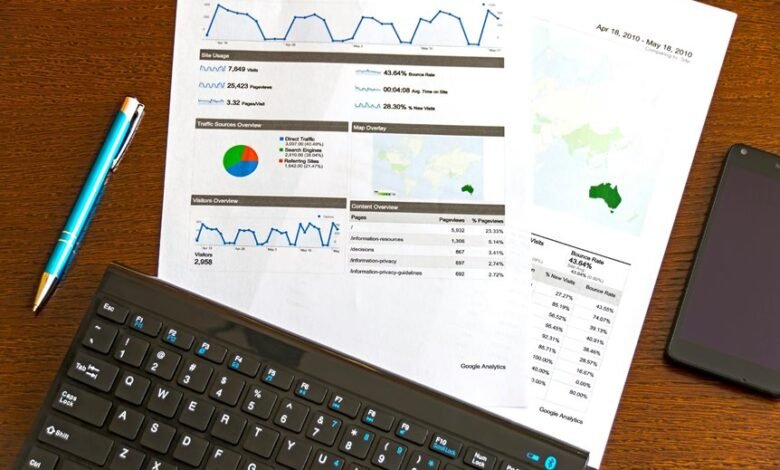
The analysis of caller data from numbers such as 3329002148 and 3330164289 reveals distinct patterns in communication behaviors. These patterns may reflect broader trends in user engagement and connectivity. By examining peak calling times and interaction frequencies, one can identify potential scams and shifts in societal preferences. This information raises important questions about the evolving landscape of communication and its implications for personal security and choice. What further insights might emerge from this data?
Analyzing the Patterns of Caller Data
How do the nuances of caller data reveal underlying trends in communication behavior?
By systematically analyzing caller behavior, data trends emerge, illustrating shifts in preferences and engagement.
Patterns such as peak calling times, duration, and frequency provide insights into societal communication dynamics.
This analysis enables individuals to embrace their freedom of choice while fostering a deeper understanding of evolving connectivity in modern society.
Identifying Potential Scams and Fraudulent Calls
The analysis of caller data not only sheds light on communication preferences but also serves as a valuable tool in identifying potential scams and fraudulent calls.
Through systematic scam detection methods, patterns emerge that indicate suspicious behavior. This data-driven approach enhances fraud prevention efforts, empowering individuals to make informed decisions, ultimately fostering a sense of freedom from the threats posed by deceitful callers.
The Impact of Caller Insights on Communication Dynamics
While advancements in technology have transformed communication methods, insights gained from caller data reveal significant shifts in communication dynamics.
Analyzing caller behavior uncovers emerging communication trends, facilitating a deeper understanding of user preferences. These insights inform strategies that enhance interpersonal connectivity, empowering individuals to navigate their communication choices more effectively.
Ultimately, the data-driven approach fosters a more informed and liberated communication landscape.
Conclusion
In conclusion, the analysis of caller data from numbers such as 3329002148 and 3362760758 reveals intriguing coincidences in communication trends, suggesting a growing connectivity among users. The patterns unearthed not only aid in identifying potential scams but also reflect broader shifts in societal interaction preferences. As individuals navigate these insights, they may inadvertently align with emerging communication dynamics, highlighting the intricate relationship between data analysis and human behavior in an increasingly interconnected world.