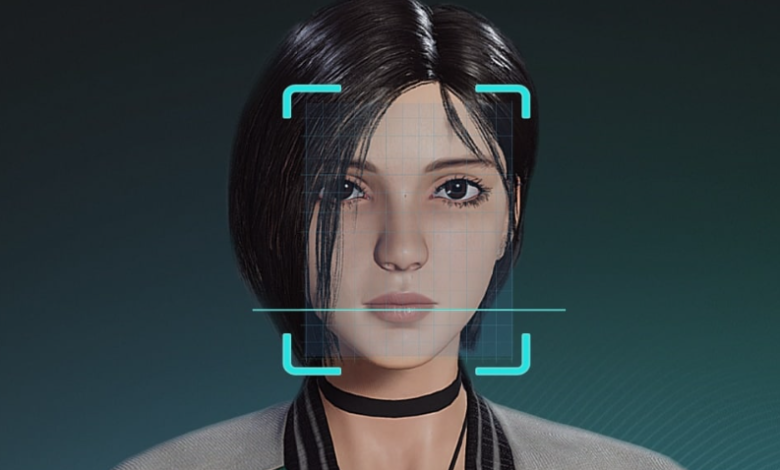
Facial recognition technology operates through a systematic approach that begins with image capture. High-quality images of a subject’s face are obtained, which are crucial for subsequent analysis. Advanced algorithms then deconstruct these images, identifying unique features and geometrical patterns. This process culminates in a digital representation, setting the stage for matching with existing databases. Understanding these foundational steps reveals the complexity and implications of identity verification in modern security systems. What follows next is crucial for comprehending its broader applications.
The Process of Image Capture
In order for facial recognition systems to function effectively, the initial phase of image capture is critical.
Image quality is paramount, as it directly influences recognition accuracy. Optimal lighting conditions further enhance this quality, reducing shadows and glare.
Capturing high-resolution images under varied lighting environments ensures that the system can reliably identify and authenticate individuals, thereby promoting a sense of security and personal freedom.
See also: How Cloud Storage Works
Analyzing Facial Features
Facial feature analysis serves as the cornerstone of effective facial recognition technology. This process involves detailed examination of facial geometry, where unique landmarks are identified and quantified.
Feature extraction techniques convert these landmarks into a digital representation, enabling algorithms to capture distinctive characteristics. By focusing on individual features, systems can achieve higher accuracy and reliability in recognizing and differentiating faces across diverse environments.
Matching and Verification Techniques
Effective facial feature analysis sets the stage for advanced matching and verification techniques within facial recognition systems.
Matching algorithms, such as Euclidean distance and cosine similarity, evaluate facial embeddings to determine likeness. Verification methods then authenticate identity by comparing the extracted features against a database.
These processes ensure accuracy and security, enabling reliable identification while addressing privacy concerns in sensitive applications.
Conclusion
In conclusion, the intricate workings of facial recognition technology mirror the legendary tale of Narcissus, who fell in love with his own reflection. This system, while adept at identifying unique facial features, must navigate the delicate balance between security and privacy. As society increasingly embraces this technology, understanding its mechanisms becomes crucial. The algorithms that define identity verification are not merely tools; they represent a profound intersection of innovation and ethical considerations in the digital age.