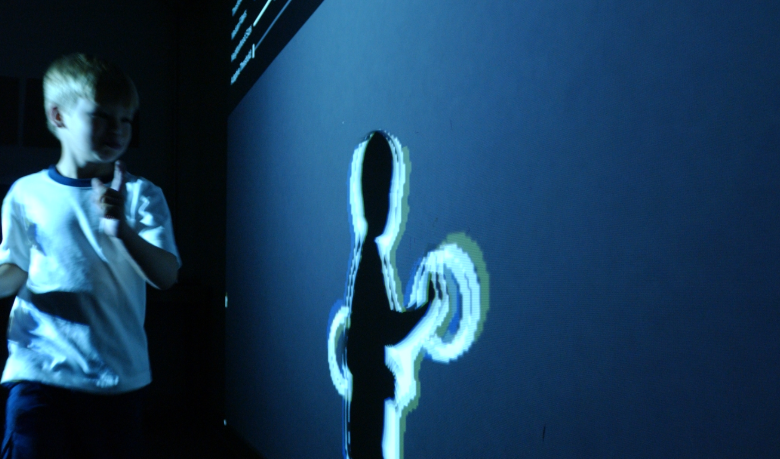
Gesture technology functions through the integration of sensors that detect and interpret physical movements. These sensors, including cameras and accelerometers, capture user gestures and convert them into digital signals. Processing units analyze this data, translating specific gestures into commands. This process not only facilitates user interaction with digital platforms but also opens avenues for enhanced accessibility. Understanding the underlying principles and components can shed light on the technology’s potential applications and future developments.
The Principles of Gesture Recognition
Although gesture recognition technology varies in implementation, it fundamentally relies on several core principles.
Central to its operation are gesture mapping and motion tracking. Gesture mapping translates physical movements into digital commands, while motion tracking captures the user’s gestures in real-time.
These principles enable intuitive interaction, empowering users to navigate and control devices seamlessly, enhancing personal freedom and efficiency in digital environments.
See also: How Facial Recognition Works
Key Hardware Components
Gesture recognition technology relies on several key hardware components to function effectively. Various sensor types, including cameras and accelerometers, capture users’ movements and gestures.
These sensors convert physical actions into digital signals, which are then transmitted to processing units for analysis. The processing units interpret the data, enabling accurate recognition and response to gestures, thus facilitating seamless interaction between users and devices.
Applications and Future Trends
As technology continues to evolve, the applications of gesture recognition extend across various sectors, transforming how users interact with devices and systems.
Gesture-based interfaces are increasingly utilized in gaming, healthcare, and smart homes, enhancing user experience and accessibility.
Future innovations promise to refine these technologies further, enabling more intuitive interactions and expanding their reach, ultimately fostering greater user freedom and control.
Conclusion
In summary, gesture technology merges advanced sensors and processing units to transform physical movements into digital commands, enhancing user interaction with devices. As the adage goes, “Actions speak louder than words,” emphasizing the power of gesture-based communication. This innovative approach not only streamlines accessibility but also paves the way for future applications across various fields. As technology continues to evolve, the potential for gesture recognition to redefine user experiences remains boundless and promising.