Operational Readiness Assessment of 89784934, 77436015, 22117122, 281705116, 906420202, 982404322

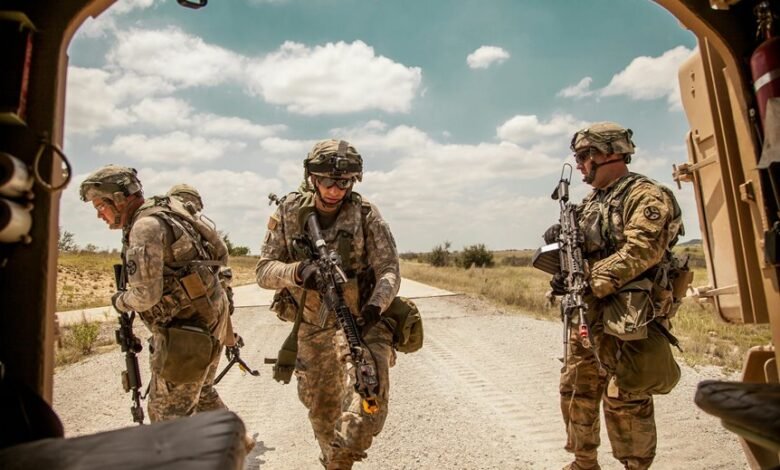
The Operational Readiness Assessment of projects 89784934, 77436015, 22117122, 281705116, 906420202, and 982404322 reveals critical operational insights. Key strengths include robust resource allocation and effective communication channels. However, issues such as outdated technology and workflow inefficiencies pose significant challenges. Addressing these concerns through targeted strategies could enhance overall performance. The implications of these findings warrant further exploration into specific recommendations for improvement.
Key Findings of the Operational Readiness Assessment
The Operational Readiness Assessment yielded several critical insights that underscore both strengths and weaknesses within the organization.
Notably, operational efficiency was highlighted as a primary area requiring enhancement, particularly in resource allocation.
Furthermore, the assessment revealed gaps in risk management protocols, indicating a need for robust strategies to mitigate potential vulnerabilities, thereby fostering a more resilient operational framework conducive to organizational freedom and adaptability.
Strengths and Weaknesses Identified
Numerous strengths and weaknesses emerged from the Operational Readiness Assessment, providing a comprehensive overview of the organization’s current operational landscape.
The strengths analysis highlighted robust resource allocation and effective communication channels.
Conversely, the weaknesses evaluation pointed to gaps in training and outdated technology.
This dual perspective offers valuable insights, enabling stakeholders to recognize areas of excellence while identifying critical points necessitating attention for future operational efficacy.
Strategic Recommendations for Improvement
While acknowledging the identified strengths and weaknesses, it becomes imperative to propose strategic recommendations that can enhance the organization’s operational readiness.
Implementing process optimization techniques will streamline workflows, thereby increasing efficiency.
Additionally, a thorough review of resource allocation strategies is essential to ensure that assets are utilized effectively, fostering a culture of adaptability and responsiveness to evolving operational demands.
Conclusion
In conclusion, the Operational Readiness Assessment of projects 89784934, 77436015, 22117122, 281705116, 906420202, and 982404322 reveals a landscape marked by both fertile ground and rocky terrain. While strengths in resource allocation and communication provide a solid foundation, addressing outdated technology and workflow inefficiencies is paramount. By embracing strategic recommendations such as process optimization and comprehensive training, these projects can cultivate adaptability and resilience, ultimately transforming challenges into opportunities for sustained operational excellence.